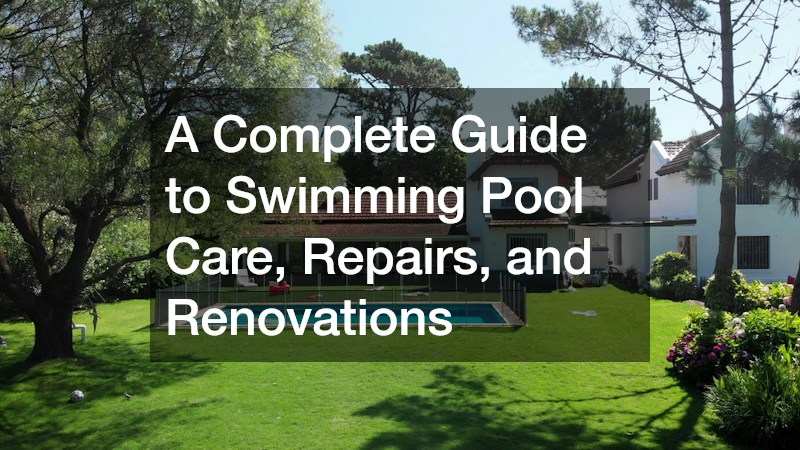
Owning a swimming pool provides a wonderful opportunity to relax, exercise, and spend quality time with family and friends. However, keeping it in excellent condition requires more than occasional cleaning. Regular maintenance, timely repairs, and thoughtful improvements are essential for protecting your investment and ensuring a safe, enjoyable swimming environment.
Over time, swimming pools experience wear from changing weather conditions, chemical exposure, and everyday use. Without proper attention, minor issues can develop into expensive repairs, affecting everything from water quality to structural integrity. Understanding how to recognize potential problems and address them early can save homeowners considerable time and money.
Whether you’re maintaining a newly installed swimming pool or updating an older one, knowing which tasks to handle yourself and when to seek professional assistance makes a significant difference. This comprehensive guide explores practical strategies for maintaining clean water, identifying equipment problems, repairing damaged surfaces, and planning improvements that enhance your outdoor living space.
Create a Weekly Cleaning Schedule That Prevents Costly Problems

Maintaining a clean swimming pool requires consistency rather than occasional intensive cleaning. Leaves, dirt, insects, and other debris can quickly accumulate, affecting water circulation and creating conditions that encourage algae growth. Establishing a weekly routine helps prevent these problems while reducing unnecessary strain on filtration equipment.
Homeowners should incorporate several essential tasks into their maintenance schedules:
- Skim the surface: Remove floating leaves, insects, and debris before they sink and become more difficult to collect.
- Brush walls and steps: Clean areas where algae and mineral deposits commonly develop, including corners and behind ladders.
- Vacuum regularly: Remove settled dirt from the floor using a manual or automatic vacuum.
- Empty baskets: Check skimmer and pump baskets frequently to maintain proper circulation.
While many cleaning tasks are manageable independently, pool maintenance providers offer professional services that can simplify ongoing care. These specialists typically handle water testing, chemical adjustments, equipment inspections, and thorough cleaning.
Scheduling professional assistance can be particularly beneficial during periods of heavy swimming activity or when homeowners have limited time. Combining regular personal upkeep with occasional professional inspections helps maintain reliable performance throughout the swimming season.
Test and Balance Your Water Chemistry Before Problems Develop
Proper water chemistry plays an essential role in maintaining a safe and comfortable swimming environment. Unbalanced water can cause skin irritation, cloudy conditions, corrosion, and mineral deposits that damage surfaces and equipment.
Testing should occur regularly, especially during hot weather or periods of frequent use. Homeowners should monitor several important measurements:
- pH levels: Generally maintain readings between 7.2 and 7.8 to support swimmer comfort and sanitizer effectiveness.
- Total alkalinity: Follow the recommended range for your specific sanitizer and pool system to help stabilize pH.
- Sanitizer concentration: Maintain appropriate chlorine or alternative sanitizer levels to control harmful microorganisms.
- Calcium hardness: Monitor mineral concentrations to reduce scaling and prevent damage associated with overly aggressive water.
Excessive mineral content can create stubborn deposits along tiles, plumbing components, and interior finishes. Lowering calcium hardness in pools may require replacing a portion of the existing water with water containing fewer dissolved minerals. Specialized treatment services may also be available.
Before draining water, homeowners should consider local restrictions, groundwater conditions, and manufacturer recommendations. Some pools can suffer structural damage when emptied improperly.
Consistent testing and gradual chemical adjustments help preserve water quality while protecting expensive components from premature deterioration.
Inspect Pumps, Filters, and Heaters Before Replacing Equipment
Swimming pool equipment works continuously to circulate, filter, and maintain comfortable water conditions. When these systems malfunction, water quality can deteriorate quickly, and operating expenses may increase.
Recognizing early warning signs allows homeowners to address problems before complete equipment failure occurs. Common indicators include unusual motor noises, weak return flow, unexplained leaks, and inconsistent heating.
Before considering replacement, perform several basic inspections:
- Check filtration components: Clean or backwash filters according to manufacturer instructions when pressure readings indicate restrictions.
- Inspect visible plumbing: Look for dripping connections, cracked fittings, and signs of moisture around equipment.
- Monitor circulation: Observe whether water moves consistently through return jets.
- Review operating costs: Compare energy consumption with previous utility bills to identify unexpected increases.
Sometimes, replacing a worn seal, cleaning a clogged filter, or correcting a minor plumbing issue restores normal operation.
However, aging systems may benefit from modern pool equipment installations that improve energy efficiency and reliability. Variable-speed pumps, updated filtration systems, and efficient heaters can provide long-term operating advantages.
Electrical repairs, gas connections, and complex equipment replacements should always be handled by appropriately qualified professionals. Regular inspections help determine whether repairing or replacing existing components offers better value.
Recognize Structural Damage and Address Repairs Before They Spread

Structural problems can develop gradually, making them easy to overlook until significant damage occurs. Cracks, shifting surfaces, loose tiles, and unexplained water loss may indicate underlying issues that require attention.
Although minor cosmetic imperfections are common as materials age, certain warning signs deserve professional evaluation. Homeowners should inspect their swimming pools regularly for visible changes.
Important concerns include:
- Persistent water loss: Water levels that decline faster than normal evaporation may indicate leaks.
- Expanding cracks: Fractures that increase in width or length can suggest movement or deterioration.
- Loose coping: Unstable materials around the edge can create safety hazards.
- Uneven surfaces: Shifting sections may indicate soil movement or structural concerns.
Documenting damage with photographs helps track changes and provides useful information when requesting professional assessments.
Experienced local swimming pool contractors can evaluate suspicious conditions, identify potential causes, and recommend appropriate repairs. Depending on the issue, solutions may involve sealing leaks, replacing damaged materials, or addressing structural movement.
Restore Worn Surfaces to Improve Safety and Appearance
Outdoor surfaces surrounding swimming pools endure constant exposure to sunlight, moisture, chemicals, and changing temperatures. Over time, these conditions can cause fading, cracking, peeling coatings, and slippery areas.
Damaged surfaces affect more than appearance. Uneven sections and deteriorating finishes can increase the risk of trips and falls, particularly when surrounding areas become wet.
Before beginning improvements, homeowners should evaluate existing conditions and determine which repairs are necessary.
Consider the following steps:
- Inspect for cracks: Identify damaged sections that require repairs before applying new finishes.
- Evaluate drainage: Confirm that water flows away from buildings and does not collect in walking areas.
- Choose slip-resistant materials: Select finishes designed to provide traction around wet surfaces.
- Consider heat exposure: Evaluate how different coatings perform under direct sunlight.
Professional pool deck refinishing can restore aging concrete and other compatible surfaces without requiring complete replacement. Available options may include textured coatings, decorative overlays, and protective sealants.
However, refinishing cannot permanently correct major structural movement or severe deterioration. These problems must be resolved before applying new materials.
Choose Durable Interior Finishes That Fit Your Budget and Style
Interior finishes influence the appearance, comfort, and durability of a swimming pool. As existing materials age, homeowners may notice rough surfaces, staining, discoloration, or areas where the finish begins deteriorating.
Choosing replacement materials requires balancing visual preferences with maintenance expectations and long-term costs. Popular options include traditional plaster, exposed aggregate, specialty coatings, and tile.
Before selecting a finish, compare several important characteristics:
- Durability: Consider expected service life and resistance to everyday wear.
- Texture: Evaluate how comfortable the surface feels against bare feet.
- Appearance: Compare colors and how they influence the perceived shade of the water.
- Maintenance: Review cleaning requirements and sensitivity to chemical imbalances.
A pebble finish for pools is a popular option for homeowners seeking a textured, natural-looking appearance. These aggregate surfaces are available in numerous colors and can offer excellent durability when installed and maintained correctly.
However, some textures may feel rougher than traditional plaster, making it important to examine physical samples.
Plan Major Upgrades Around Safety, Functionality, and Long-Term Value
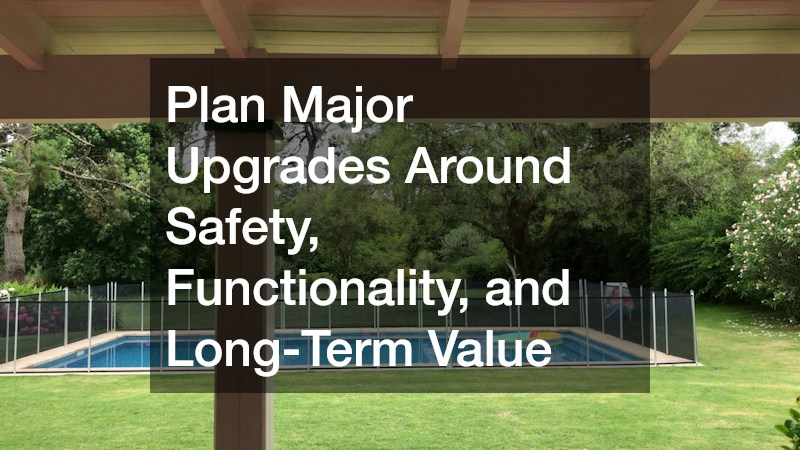
Older swimming pools sometimes require more than isolated repairs to remain attractive and functional. Outdated layouts, deteriorating finishes, inefficient equipment, and worn surrounding materials can reduce usability and increase maintenance expenses.
Before committing to extensive improvements, homeowners should identify which changes provide the greatest practical benefits.
Start by evaluating these priorities:
- Safety improvements: Repair damaged steps, unstable edges, and hazardous walking surfaces.
- Functional upgrades: Consider improved lighting, accessible entry features, or more convenient circulation controls.
- Appearance updates: Replace outdated tiles, coping, or interior finishes to refresh the overall design.
- Efficiency improvements: Evaluate equipment upgrades that may reduce energy consumption and maintenance requirements.
Pool remodeling and resurfacing projects can address multiple concerns simultaneously, particularly when existing finishes have reached the end of their useful life.
Develop a detailed budget that separates essential repairs from optional design features. Include contingency funds for unexpected conditions discovered during construction.
Design Comfortable Outdoor Spaces That Are Easy to Maintain
A swimming pool becomes more enjoyable when the surrounding outdoor area supports relaxation, entertaining, and convenient movement. Thoughtful design can transform an ordinary backyard into a comfortable gathering space.
However, appearance should never come at the expense of safety or functionality. Materials must withstand moisture, sunlight, and frequent foot traffic without requiring excessive upkeep.
When planning improvements, focus on several practical considerations:
- Create defined activity areas: Provide separate spaces for lounging, dining, and walking.
- Improve shade: Incorporate umbrellas, pergolas, or other structures to reduce direct sun exposure.
- Select durable materials: Compare concrete, pavers, and natural stone based on maintenance requirements and climate.
- Provide adequate drainage: Prevent standing water near structures and frequently used pathways.
Well-designed pool patios can enhance accessibility while creating additional space for outdoor furniture and entertainment.
Consider how surface materials absorb heat, particularly in areas exposed to intense afternoon sunlight. Slip resistance is equally important around wet walking areas.
Compare Professional Estimates and Verify Credentials Before Hiring
Hiring qualified professionals is one of the most important decisions homeowners make when planning major swimming pool improvements. Poor workmanship can lead to recurring problems, unexpected expenses, and premature material failure.
Rather than selecting the lowest estimate immediately, compare contractors based on experience, qualifications, communication, and project details.
When evaluating swimming pool companies, consider the following:
- Verify credentials: Confirm applicable licenses, insurance coverage, and required certifications.
- Review previous projects: Request photographs or references from homeowners who completed similar work.
- Compare written estimates: Look for clear descriptions of materials, labor, timelines, and payment schedules.
- Understand warranties: Ask what coverage applies to workmanship and installed products.
A reliable contractor should explain potential complications and provide realistic expectations about project completion.
Homeowners should also ask whether subcontractors will perform portions of the work and who will supervise daily construction activities.
Avoid agreements that contain vague descriptions, unusually large upfront payments, or unclear procedures for handling additional expenses.
Taking time to research professional qualifications helps reduce financial risks and increases the likelihood of satisfactory results. Clear communication and detailed contracts establish expectations before work begins.
Build a Realistic Project Timeline and Prepare for Construction
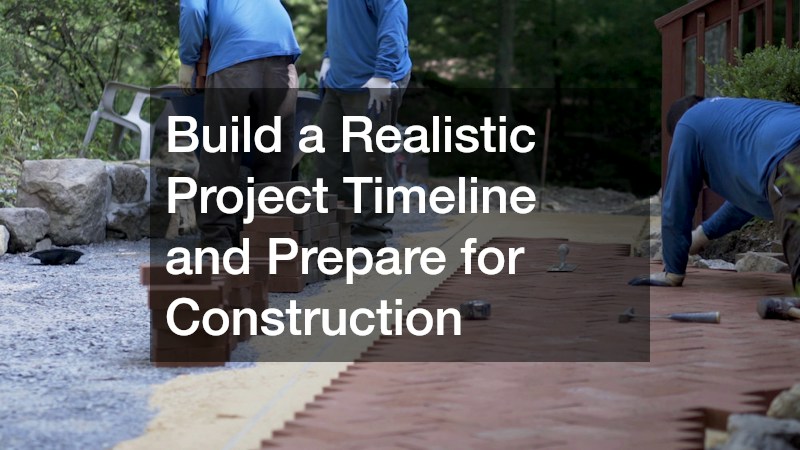
Major swimming pool improvements require careful scheduling, particularly when projects involve structural repairs, material replacement, or extensive equipment upgrades.
Weather conditions, contractor availability, permit requirements, and material delivery schedules can all influence completion dates. Planning ahead helps homeowners minimize disruptions and avoid unrealistic expectations.
A successful Pool renovation generally involves several important stages:
- Initial inspection: Evaluate existing conditions and identify necessary repairs.
- Project planning: Finalize the design, materials, budget, and construction schedule.
- Site preparation: Protect nearby landscaping, furniture, and structures before work begins.
- Construction: Complete approved repairs, installations, and surface improvements.
- Final inspection: Verify workmanship, equipment operation, and required safety features.
Homeowners should discuss potential delays before signing contracts. Unexpected structural damage or unfavorable weather may require schedule adjustments.
Preparing the property also improves efficiency. Remove obstacles, establish appropriate access routes, and keep children and pets away from construction areas.
Before accepting completed work, conduct a detailed walkthrough with the contractor. Review equipment instructions, warranties, and recommended maintenance procedures.
Protect Your Investment With Consistent Care and Smart Improvements
Keeping a swimming pool in excellent condition requires a combination of regular attention, preventive maintenance, and well-planned improvements. From monitoring water chemistry to inspecting equipment and repairing damaged surfaces, each responsibility contributes to a safer and more enjoyable swimming environment.
Addressing small problems early can prevent expensive repairs while extending the lifespan of essential components. Homeowners who establish consistent cleaning schedules, recognize warning signs, and invest in durable materials are better prepared to protect their property over time.
When extensive repairs or improvements become necessary, careful budgeting and choosing qualified professionals can make the process significantly smoother. Understanding the available options also helps homeowners make informed decisions that balance appearance, functionality, and long-term expenses.
With thoughtful planning and consistent upkeep, a swimming pool can remain a beautiful, reliable feature of your outdoor living space, providing comfort, recreation, and memorable experiences for many years to come.